
Time for little tenderness

TIME FOR LITTLE TENDERNESS

2008–2025

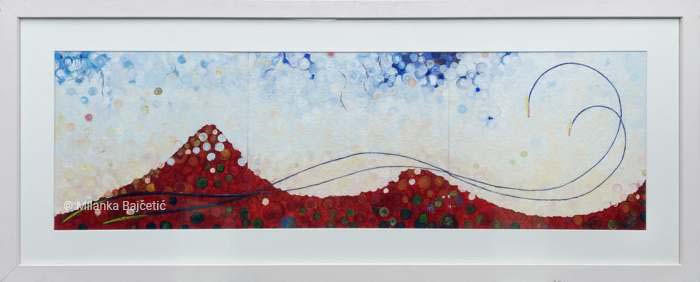
Time for little tenderness 2

oil on cardboard, 30 × 96,04 cm, 2007–08
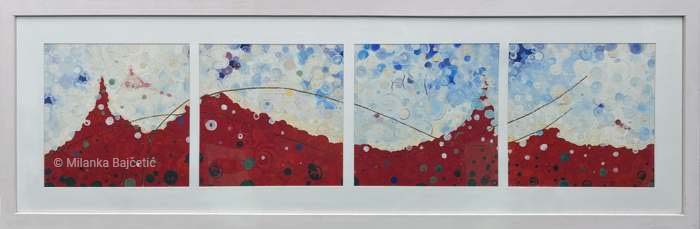
Time for little tenderness 1

oil on cardboard, polyptych, 4 × (30 × 30) cm, 2007–08
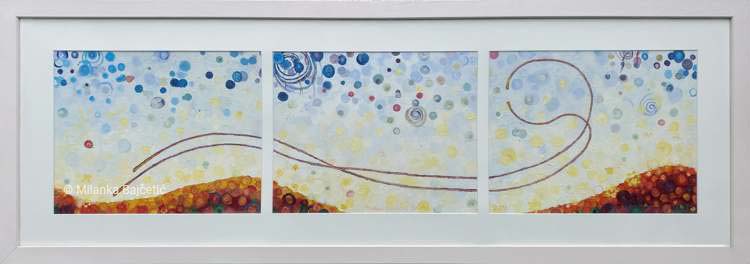
Time for little tenderness 4

oil on cardboard, triptych, 3 × (35 × 27,5) cm, 2011
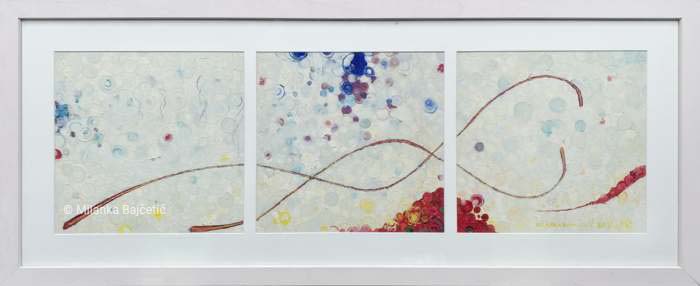
Time for little tenderness 3

oil on cardboard, triptych, 3 × (28 × 29) cm, 2007–12
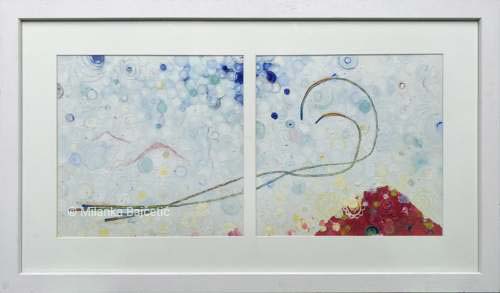
Time for little tenderness 6

oil on cardboard, diptych, 2 × (27,05 × 28) cm, 2007–08
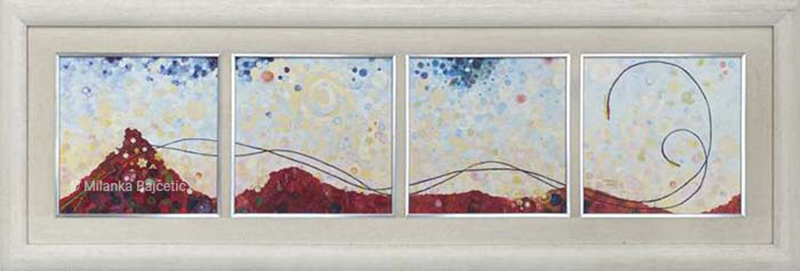
Time for little tenderness 5

oil on cardboard, polyptych, 4 × (30 × 30) cm, 2014
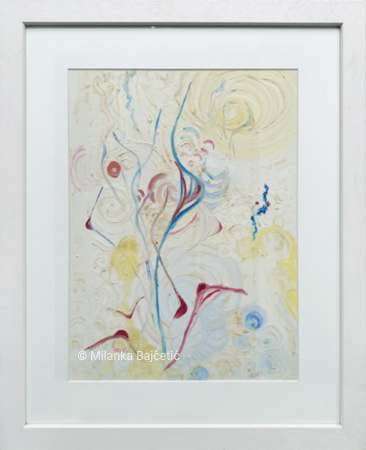
Time for little tenderness 9

oil on cardboard, 39 × 28 cm, 2007
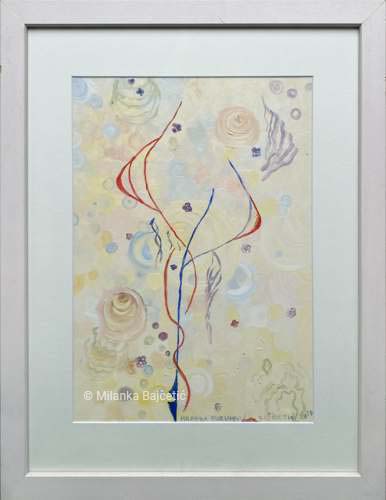
Time for little tenderness 8

oil on cardboard, 41 × 28,5 cm, 2010
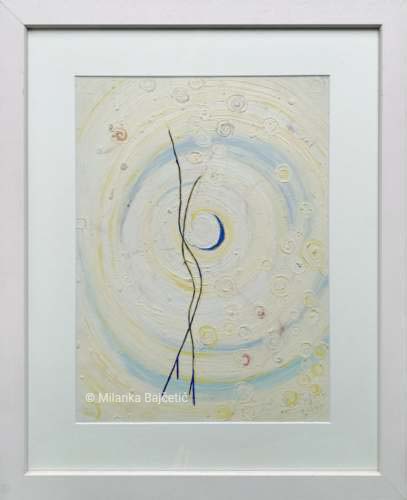
Time for little tenderness 7

oil on cardboard, 39,05 × 28 cm, 2007
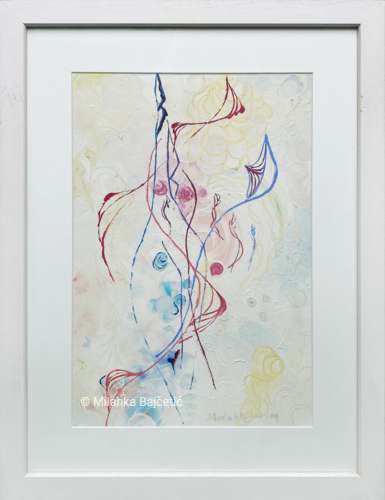
Time for little tenderness 12

oil on cardboard, 41,05 × 28 cm, 2007
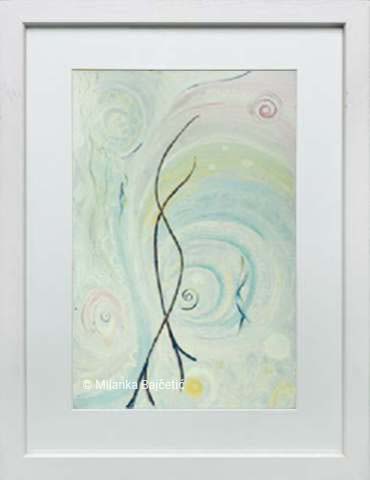
Time for little tenderness 11, (sold)

oil on cardboard, 51 × 30 cm, 2007
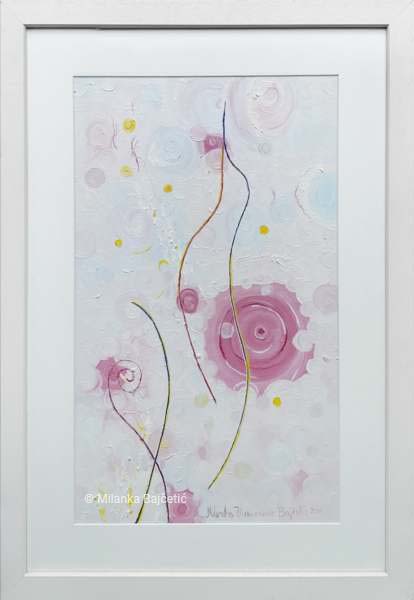
Time for little tenderness 10

oil on cardboard, 51 × 30 cm, 2007
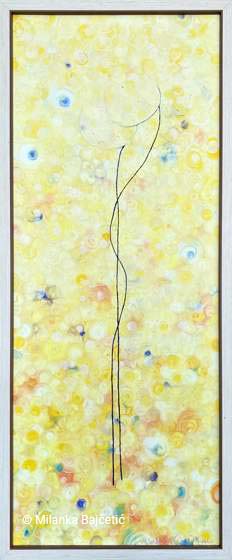
Time for little tenderness 13

oil on canvas, 98 × 38,5 cm, 2025
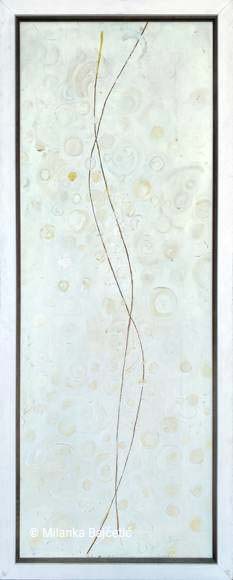
Time for little tenderness 14

oil on canvas, 99 × 35,5 cm, 2007
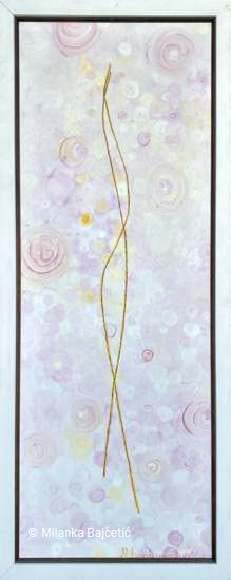
Time for little tenderness 15

oil on canvas, 97,5 × 35 cm, 2010
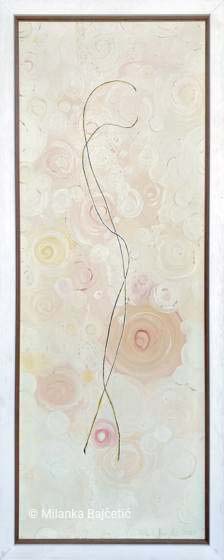
Time for little tenderness 16

oil on canvas, 98,5 × 35,5 cm, 2007
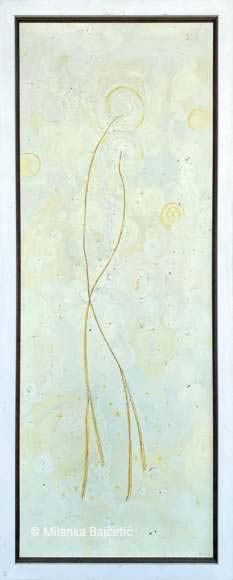
Time for little tenderness 17

oil on canvas, 97,5 × 35,5 cm, 2007
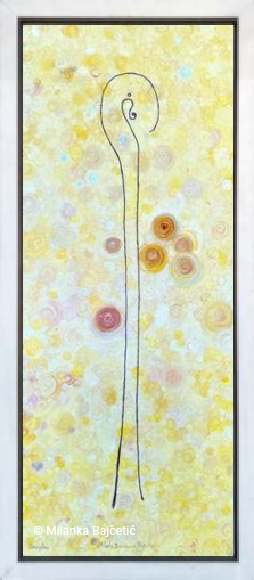
Time for little tenderness 18

oil on canvas, 100 × 40 cm, 2025
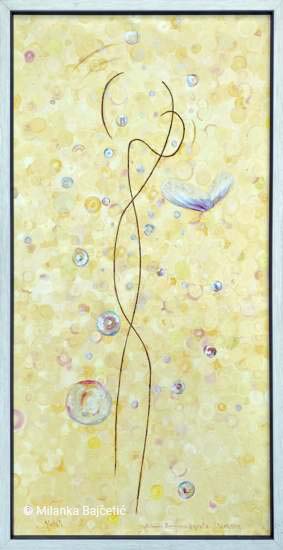
Time for little tenderness 23

oil in canvas, 97,5 × 48,5 cm, 2019
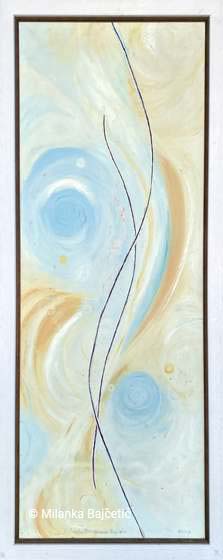
Time for little tenderness 22

oil on canvas, 98 × 37 cm, 2007
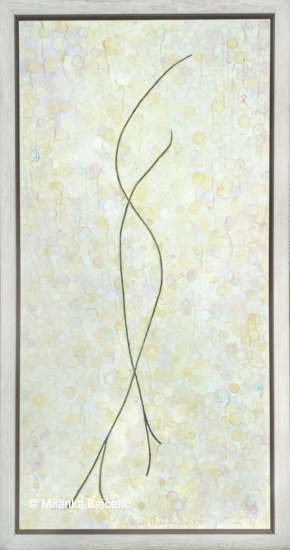
Time for little tenderness 21

oil on canvas, 98 × 50 cm, 2015
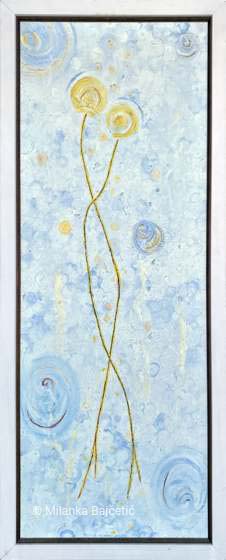
Time for little tenderness 20

oil in canvas, 98 × 37 cm, 2007
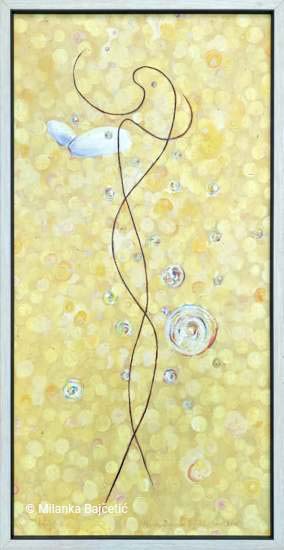
Time for little tenderness 19

oil on canvas, 97,5 × 48,5 cm, 2019
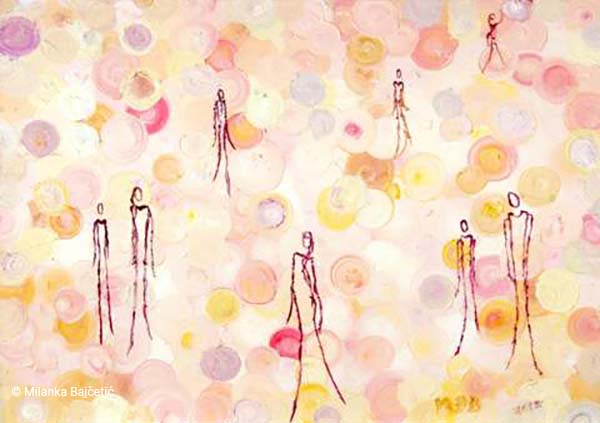
Conversation 2, (sold)

oil on cardboard, 17,5 × 24 cm, 2010
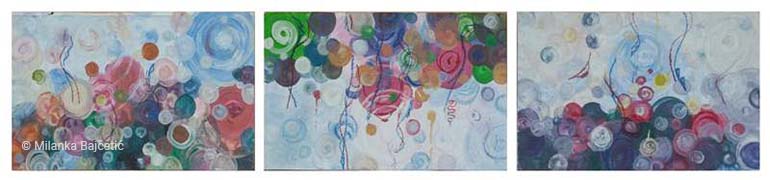
Game

mixed media on cardboard, triptych, 3 × (15 × 24) cm, 2010
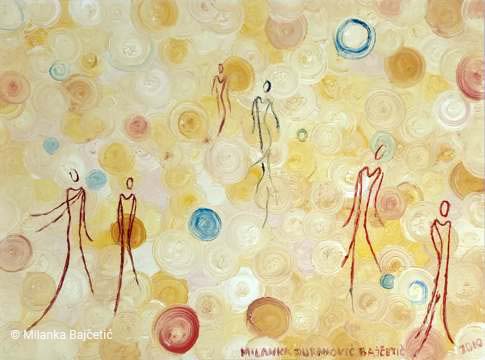
Conversation 1

oil on cardboard, 19,5 × 26 cm, 2010
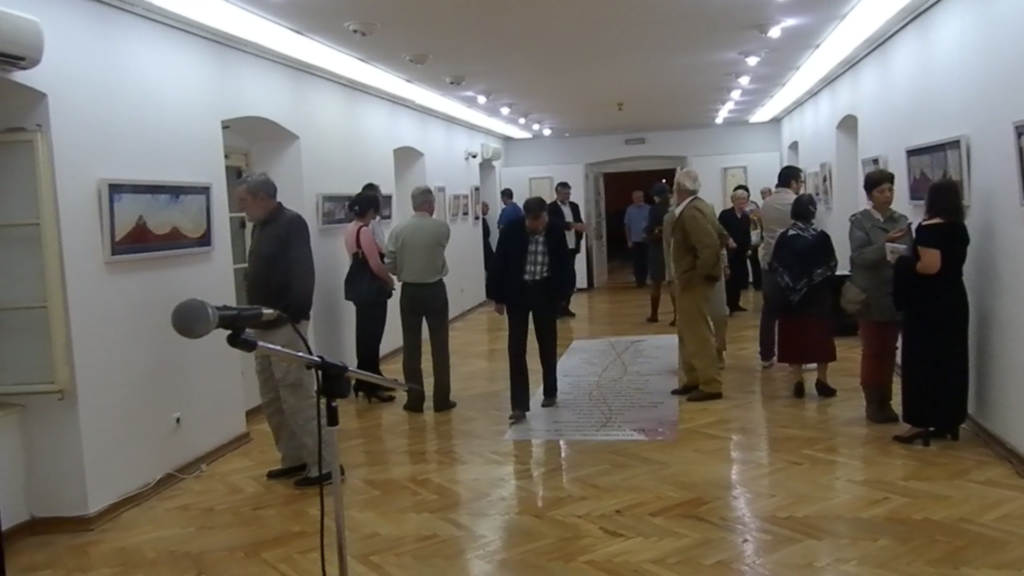
Perjanički dom, Podgorica, 2012
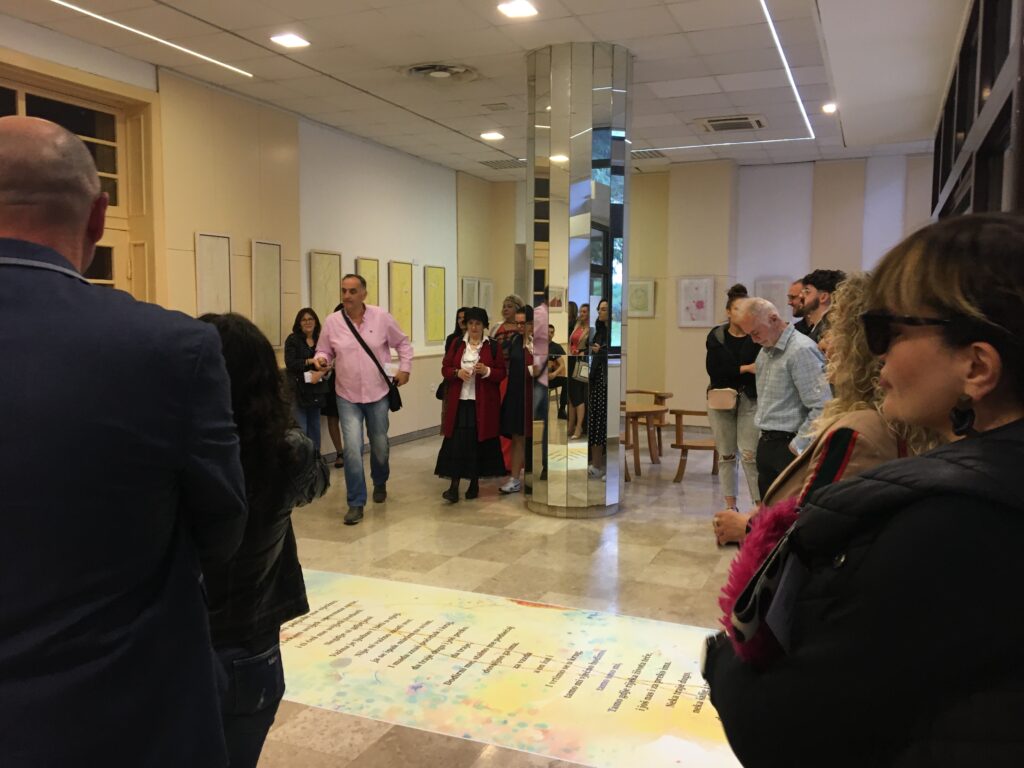
Cultural Centre Danilovgrad, 2022
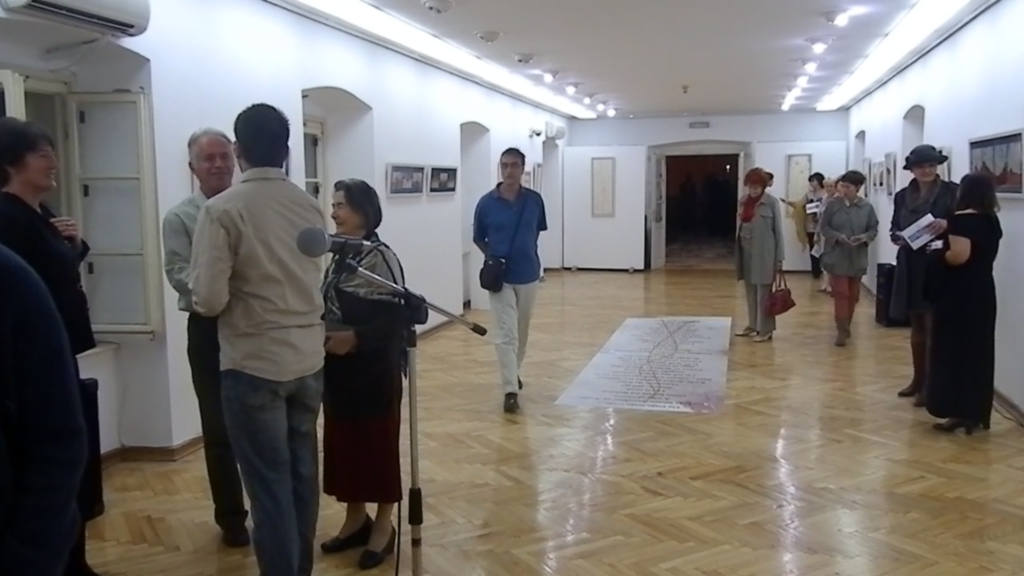
Perjanički dom, Podgorica, 2012
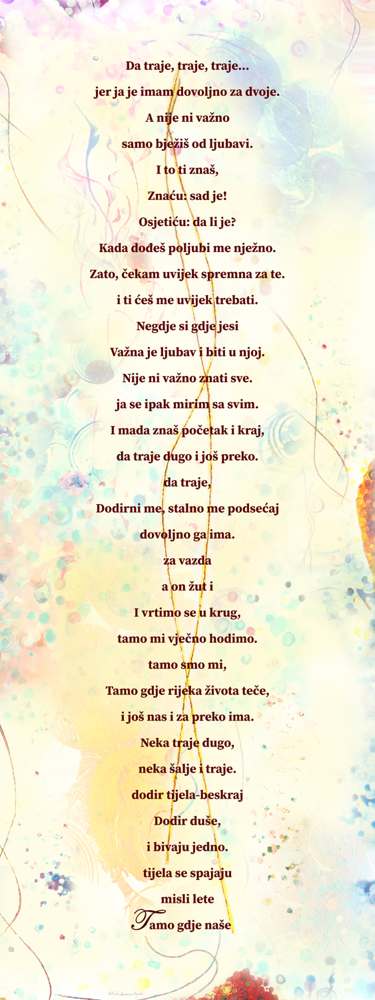
Song on the gallery floor – Time for Little Tenderness

In numerous analytical texts dedicated to the contemporary Montenegrin art scene, alongside the usual and nonsensical cliché “land of painters,” positions are taken on its complexity—particularly the heterogeneity that manifests in a range from adherence to “classic” traditionalism to the most current trends in contemporary global artistic practice. The only quality protagonists of this complex local art scene, as it appears from the content of critical writings, are circles of authors with different artistic poetics, whose common characteristic, first and foremost, is the fact that they are university-educated and gathered in the ULUCG – the most prestigious and oldest professional association. In contrast and without doubt to the aforementioned, representatives of contemporary Montenegrin visual arts, a group of creators has been active for decades—not exactly numerous, but not negligible—whose creative work many, sometimes too readily, label with terms such as: “amateurish,” “semi-amateurish,” “primitive,” and “naïve.” – in any case, they are treated as a secondary phenomenon devoid of any significant artistic qualities. Deprived of a higher academic education and membership in the prestigious ULUCG, partly gathered in several professional associations, this creative group finds it very difficult to gain exposure in prestigious gallery spaces, receive more serious critical evaluation, and get greater media coverage—the general public lacks complete information about the quantity and quality of their creative achievements. The project of organizing and presenting Milanka Bajčetić’s exhibition at the now-iconic “Perjanički Dom,” under the patronage of the Center for Contemporary Art, represents the presentation of one of the most interesting artists trained outside of official academic circles. The exhibition project titled “Time for a Little Tenderness” was preceded by years of painting training—both self-taught and in informal painting schools. Bajčetić’s previous exhibition activity—Podgorica, Kotor, Danilovgrad, Kolašin, Nikšić, Pljevlja.. – indicates painterly achievements within figurative systems and a predominantly thematic focus on landscape and still life. They are characterized by a painterly and coloristic approach of Impressionistic and Expressionistic treatment, which in some cases is on par with the quality of certain academically trained painters. In comparison with her previous paintings, In “Perjanički Dom,” Milanka Bajčetić demonstrates an obvious departure from exclusive figuration and a tendency toward pure abstract expression—a certainly bold and thoughtful act, largely atypical for the environment of her artistic formation, where figuration is the dominant force. Within the framework of realizing ideas born from the most sincere intimacy, the artist plans a concept in which the visual content—oil paintings on the gallery walls—is accompanied by a narrative thread in the form of her original poetic texts placed on the floor. With this seemingly simple yet ultimately refined gesture, the trap of presenting cheap narrative and pathetic allegory on the paintings themselves is avoided—a trap to which even academically trained local creators are not immune. Milankin’s paintings, with their subtle color palette and lyrical abstractions featuring minimalist, linear suggestions of the human body, already establish her as one of the finest artists in the non-academic painting scene. Her future creative growth should be met with no doubt, and in that regard, she deserves selfless support and attention, from both relevant experts and official institutions.

Dr Aleksandar Čilikov
Art Historian
Budva, 2012

The absurdity of the times we live in does not give us the right to think of culture as something taken for granted and of significance to the human race.

In the turmoil and haste of life and our surroundings, elementary existence and survival take precedence. Art and culture most often flourish in developed societies, where their mission and function are properly expressed. In such a climate, the benefits to humanity of something we often set aside, not giving it precedence over other matters, become clear. It is the very achievements of culture and art that make us worthy bearers of spirituality through the ages. Emotions and those subtle outpourings of the human soul, imbued with humanity’s most noble need to benefit others, are experiencing a kind of downfall in this day and age. People flock to the little effort needed to rise above the cold world and the grayness of everyday life and to look one another in the eye sincerely, thus making life better and more beautiful. In our haste, we concrete over the ruins and remnants of the past, filling them with waste, thinking that this is how we reach the core essence. We strive for the new, forgetting that without which the new would not exist. 

In such a climate, one must create—rise from non-being, from nothingness. It is to make an effort that seems like absurd in everything. Amidst all this chaos, there are people who observe the world calmly, perceptively, and consciously, filtering life through their own lens, unwilling to distance themselves from the source of their being. Despite everything, these individuals seek the scent of flowers and the beauty of colors where they are scarce, on the scorched earth. They turn grayness into clarity, and awaken in us, the observers, the feeling that we are not alone on this earth. As if this world doesn’t touch them, they create their own reality, born from the need to tell everyone that we can participate better and more beautifully in the competition called life.

It is the creativity of Milanka Djuranovic Bajcetic that testifies to us that there is a reality beyond this reality. A reality that offers us a true refuge. It offers us an escape, but not from ourselves and others, rather into ourselves and for others.

Thus, with this narrative, “Time for a Little Tenderness,” Milanka warns us that it is time to set sail toward life, to look at those delicate layers of the human soul that are within us. We just need to encourage them and let them be revealed. These layers are the most necessary because without them, we forget that we are human.

Milanka Djuranovic Bajcetic’s creativity, like that of all serious visual artists, begins with an interest in classical expression. Through the classics, with a richness of color, she gains an understanding of the image and its laws. With a Mediterranean spirit, through layers of color, she poetically arranges her impressions of the scene she observes. With a good sense of color and its power, she conveys the subtle flutters of her soul onto the canvas.

The poetry that Milanka engages with in her creative endeavor is conveyed through every brushstroke. She arranges impressions with color in a collected and deliberate manner, as if the verses of her poetry were being embodied in her brushstrokes. The serenity, harmony, poetry, and above all, a certain sublime serenity of Milanka’s paintings make them special and original. Her interest in plants and nature in general, from her earlier phases when she worked with collages of petals and plant parts, complements her rich creativity. Few artists fearlessly embrace experimentation in their work, seeking to affirm what has been accumulating within them

Through the aforementioned cycles, we arrive at the latest phase of abstract paintings, which carry with them all the elements from previous explorations. Like haiku poetry, these pared-down paintings strive to express the most through the fewest means. Imbued with a special sensibility, they open up new perspectives to us, promising an escape into a new dimension. With circular brushstrokes, swirls of applied paint, and gentle shades, Milanka’s paintings create powerful energetic projections. In this unique circular flow of colored energy, two dominant lines emerge. Lines that symbolically represent human figures, stylized or, more accurately, what remains of them…
Stripped down to the symbol, to the impulse, to the essential human and emotional, distilled expertly and philosophically… To two lines that sometimes separate, and then merge again, speaking more than words, speaking of life, speaking of essence.

Mr. Velibor Pavićević
Sculptor
Podgorica, 29. April, 2022

TIME FOR LITTLE TENDERNESS

2008-2015

Time for little tenderness 1

oil on cardboard, polyptych, 4 × (30 × 30) cm, 2007–08

Time for little tenderness 2

oil on cardboard, 30 × 96,04 cm, 2007–08

Time for little tenderness 3

oil on cardboard, 3 × (28 × 29) cm, 2007–12

Time for little tenderness 4

oil on cardboard, 3 × (35 × 27,5) cm, 2011
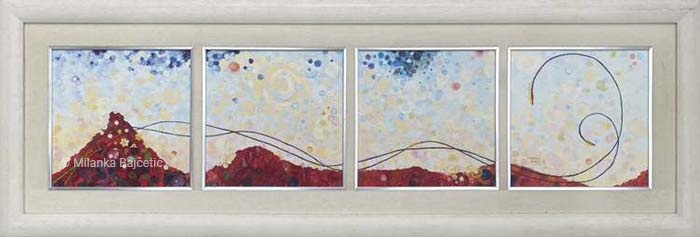
Time for little tenderness 5

oil on cardboard, polyptych, 4 × (30 × 30) cm, 2014

Time for little tenderness 6

oil on cardboard, diptych, 2 × (27,05 × 28) cm, 2007–08

Time for little tenderness 7

oil on cardboard, 39,05 × 28 cm, 2007

Time for little tenderness 8

oil on cardboard, 41 × 28,5 cm, 2010

Time for little tenderness 9

oil on cardboard, 39 × 28 cm, 2007

Time for little tenderness 10

oil on cardboard, 51 × 30 cm, 2007

Time for little tenderness 11, (sold)

oil on cardboard, 51 × 30 cm, 2007

Time for little tenderness 12

oil on cardboard, 41,05 × 28 cm, 2007

Time for little tenderness 13

oil on canvas, 98 × 38,5 cm, 2025

Time for little tenderness 14

oil on canvas, 99 × 35,5 cm, 2007

Time for little tenderness 15

oil on canvas, 97,5 × 35 cm, 2010

Time for little tenderness 16

oil on canvas, 98,5 × 35,5 cm, 2007

Time for little tenderness 17

oil on canvas, 97,5 × 35,5 cm, 2007

Time for little tenderness 18

oil on canvas, 100 × 40 cm, 2025

Time for little tenderness 19

oil on canvas, 97,5 × 48,5 cm, 2019

Time for little tenderness 20

oil in canvas, 98 × 37 cm, 2007

Time for little tenderness 21

oil on canvas, 98 × 50 cm, 2015

Time for little tenderness 22

oil on canvas, 98 × 37 cm, 2007

Time for little tenderness 23

oil in canvas, 97,5 × 48,5 cm, 2019

Conversation 1

oil on cardboard, 19,5 × 26 cm, 2010
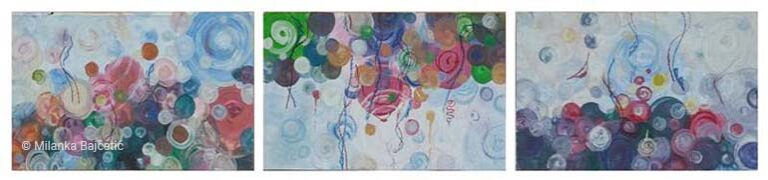
Game

mixed media on cardboard, 3 × (15 × 24) cm, 2010

Conversation 2, (sold)

oil on cardboard, 17,5 × 24 cm, 2010
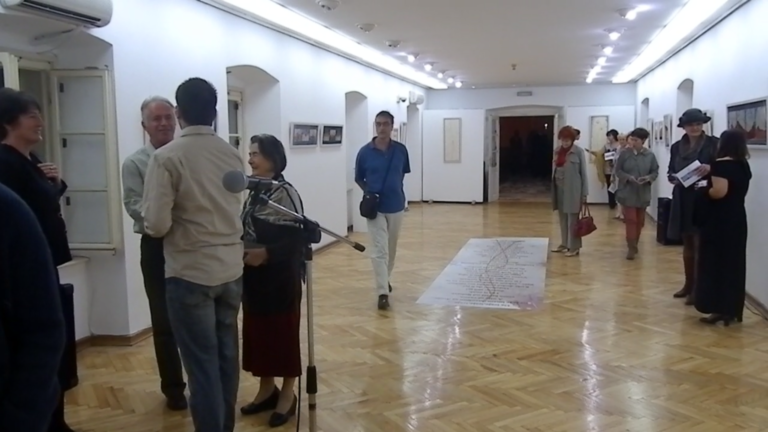
Perjanički dom, Podgorica, 2012
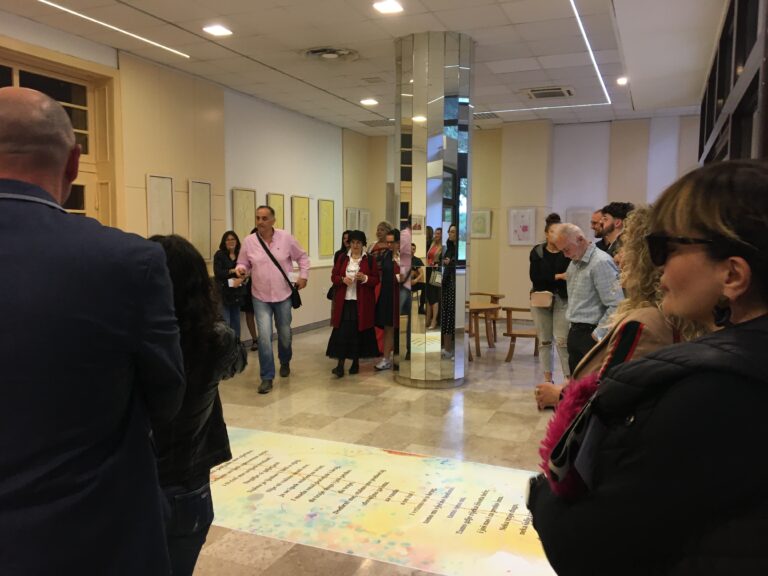
Cultural Centre Danilovgrad, 2022
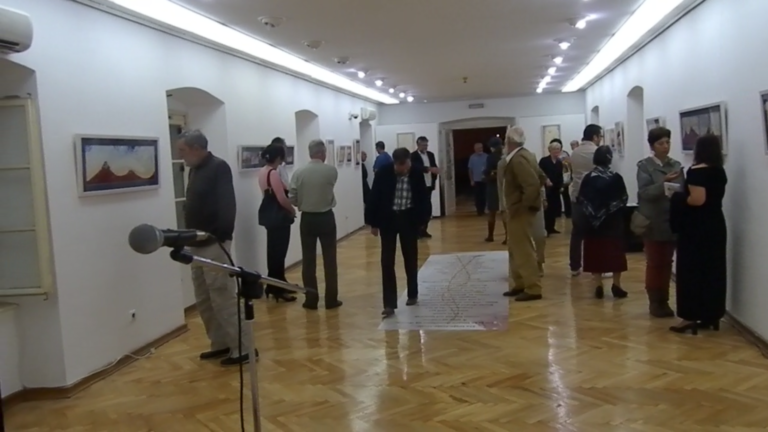
Perjanički dom, Podgorica, 2012

Song on the gallery floor – Time for Little Tenderness

In numerous analytical texts dedicated to the contemporary Montenegrin art scene, alongside the usual and nonsensical cliché “land of painters,” positions are taken on its complexity—particularly the heterogeneity that manifests in a range from adherence to “classic” traditionalism to the most current trends in contemporary global artistic practice. The only quality protagonists of this complex local art scene, as it appears from the content of critical writings, are circles of authors with different artistic poetics, whose common characteristic, first and foremost, is the fact that they are university-educated and gathered in the ULUCG – the most prestigious and oldest professional association. In contrast and without doubt to the aforementioned, representatives of contemporary Montenegrin visual arts, a group of creators has been active for decades—not exactly numerous, but not negligible—whose creative work many, sometimes too readily, label with terms such as: “amateurish,” “semi-amateurish,” “primitive,” and “naïve.” – in any case, they are treated as a secondary phenomenon devoid of any significant artistic qualities. Deprived of a higher academic education and membership in the prestigious ULUCG, partly gathered in several professional associations, this creative group finds it very difficult to gain exposure in prestigious gallery spaces, receive more serious critical evaluation, and get greater media coverage—the general public lacks complete information about the quantity and quality of their creative achievements. The project of organizing and presenting Milanka Bajčetić’s exhibition at the now-iconic “Perjanički Dom,” under the patronage of the Center for Contemporary Art, represents the presentation of one of the most interesting artists trained outside of official academic circles. The exhibition project titled “Time for a Little Tenderness” was preceded by years of painting training—both self-taught and in informal painting schools. Bajčetić’s previous exhibition activity—Podgorica, Kotor, Danilovgrad, Kolašin, Nikšić, Pljevlja.. – indicates painterly achievements within figurative systems and a predominantly thematic focus on landscape and still life. They are characterized by a painterly and coloristic approach of Impressionistic and Expressionistic treatment, which in some cases is on par with the quality of certain academically trained painters. In comparison with her previous paintings, In “Perjanički Dom,” Milanka Bajčetić demonstrates an obvious departure from exclusive figuration and a tendency toward pure abstract expression—a certainly bold and thoughtful act, largely atypical for the environment of her artistic formation, where figuration is the dominant force. Within the framework of realizing ideas born from the most sincere intimacy, the artist plans a concept in which the visual content—oil paintings on the gallery walls—is accompanied by a narrative thread in the form of her original poetic texts placed on the floor. With this seemingly simple yet ultimately refined gesture, the trap of presenting cheap narrative and pathetic allegory on the paintings themselves is avoided—a trap to which even academically trained local creators are not immune. Milankin’s paintings, with their subtle color palette and lyrical abstractions featuring minimalist, linear suggestions of the human body, already establish her as one of the finest artists in the non-academic painting scene. Her future creative growth should be met with no doubt, and in that regard, she deserves selfless support and attention, from both relevant experts and official institutions.


Dr Aleksandar Čilikov

Art Historian
Budva, 2012

The absurdity of the times we live in does not give us the right to think of culture as something taken for granted and of significance to the human race.

In the turmoil and haste of life and our surroundings, elementary existence and survival take precedence. Art and culture most often flourish in developed societies, where their mission and function are properly expressed. In such a climate, the benefits to humanity of something we often set aside, not giving it precedence over other matters, become clear. It is the very achievements of culture and art that make us worthy bearers of spirituality through the ages. Emotions and those subtle outpourings of the human soul, imbued with humanity’s most noble need to benefit others, are experiencing a kind of downfall in this day and age. People flock to the little effort needed to rise above the cold world and the grayness of everyday life and to look one another in the eye sincerely, thus making life better and more beautiful. In our haste, we concrete over the ruins and remnants of the past, filling them with waste, thinking that this is how we reach the core essence. We strive for the new, forgetting that without which the new would not exist. 

In such a climate, one must create—rise from non-being, from nothingness. It is to make an effort that seems like absurd in everything. Amidst all this chaos, there are people who observe the world calmly, perceptively, and consciously, filtering life through their own lens, unwilling to distance themselves from the source of their being. Despite everything, these individuals seek the scent of flowers and the beauty of colors where they are scarce, on the scorched earth. They turn grayness into clarity, and awaken in us, the observers, the feeling that we are not alone on this earth. As if this world doesn’t touch them, they create their own reality, born from the need to tell everyone that we can participate better and more beautifully in the competition called life.

It is the creativity of Milanka Djuranovic Bajcetic that testifies to us that there is a reality beyond this reality. A reality that offers us a true refuge. It offers us an escape, but not from ourselves and others, rather into ourselves and for others.

Thus, with this narrative, “Time for a Little Tenderness,” Milanka warns us that it is time to set sail toward life, to look at those delicate layers of the human soul that are within us. We just need to encourage them and let them be revealed. These layers are the most necessary because without them, we forget that we are human.

Milanka Djuranovic Bajcetic’s creativity, like that of all serious visual artists, begins with an interest in classical expression. Through the classics, with a richness of color, she gains an understanding of the image and its laws. With a Mediterranean spirit, through layers of color, she poetically arranges her impressions of the scene she observes. With a good sense of color and its power, she conveys the subtle flutters of her soul onto the canvas.

The poetry that Milanka engages with in her creative endeavor is conveyed through every brushstroke. She arranges impressions with color in a collected and deliberate manner, as if the verses of her poetry were being embodied in her brushstrokes. The serenity, harmony, poetry, and above all, a certain sublime serenity of Milanka’s paintings make them special and original. Her interest in plants and nature in general, from her earlier phases when she worked with collages of petals and plant parts, complements her rich creativity. Few artists fearlessly embrace experimentation in their work, seeking to affirm what has been accumulating within them

Through the aforementioned cycles, we arrive at the latest phase of abstract paintings, which carry with them all the elements from previous explorations. Like haiku poetry, these pared-down paintings strive to express the most through the fewest means. Imbued with a special sensibility, they open up new perspectives to us, promising an escape into a new dimension. With circular brushstrokes, swirls of applied paint, and gentle shades, Milanka’s paintings create powerful energetic projections. In this unique circular flow of colored energy, two dominant lines emerge. Lines that symbolically represent human figures, stylized or, more accurately, what remains of them…
Stripped down to the symbol, to the impulse, to the essential human and emotional, distilled expertly and philosophically… To two lines that sometimes separate, and then merge again, speaking more than words, speaking of life, speaking of essence.

Mr. Velibor Pavićević
Sculptor
Podgorica, 29. April, 2022